
Leveraging AI for a high-performing, resilient supply chain
Disruption is the new normal that supply chains must adapt, as businesses aspire to address geopolitical risks, market instability, and dynamic macroeconomics. Digital twins, AI-powered demand forecasting and supply chain planning, IoT, and cloud-based control towers enabling real-time visibility, optimization, and autonomous operations. By employing scenario planning into decision-making, businesses can plan for changing market landscape at regulatory, policy, demand, and financial levels. With sustainability, compliance, and supplier risk embedded into core processes, transformed supply chains become strategic assets.
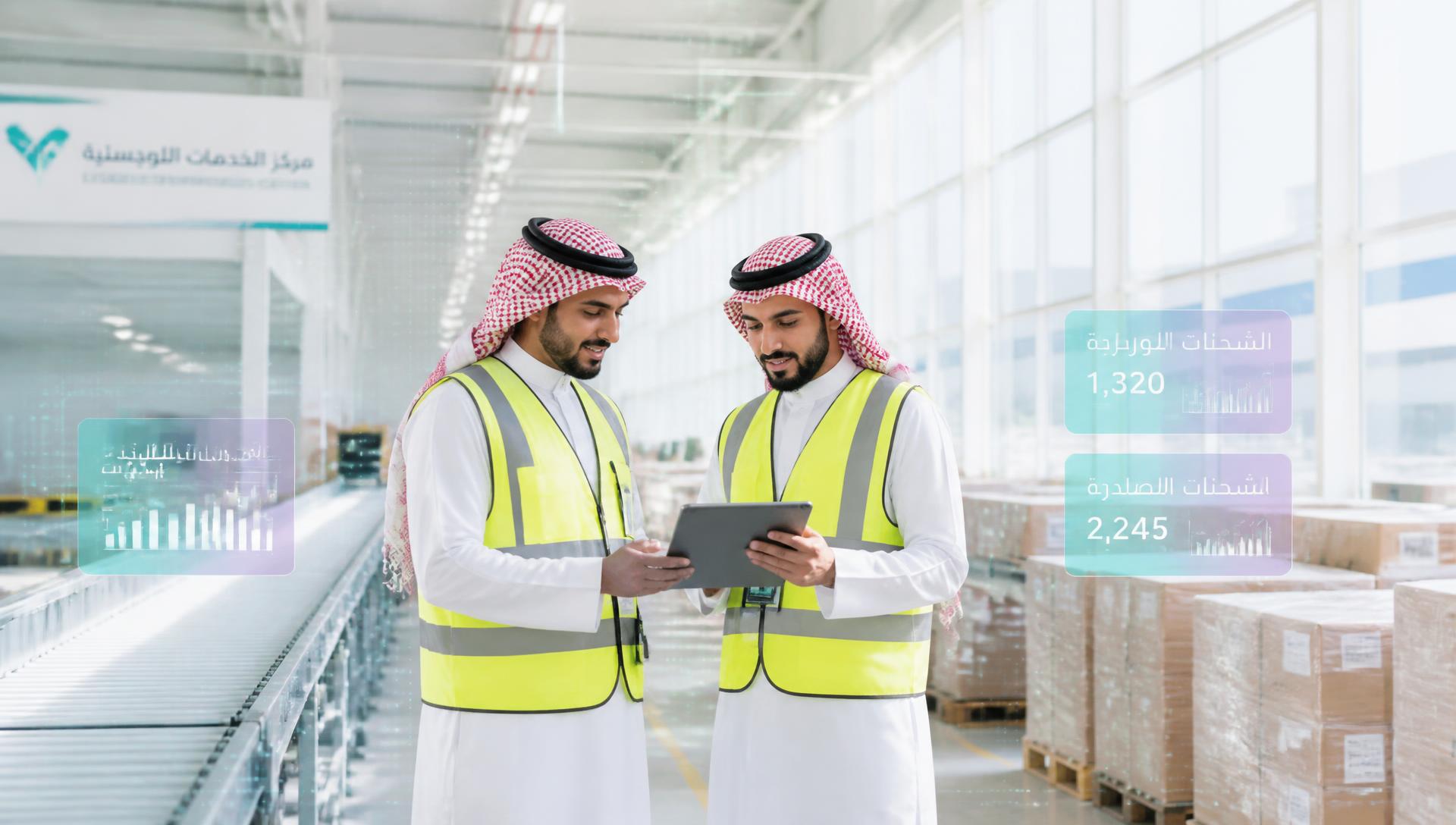
By bringing together real-time data from IoT devices, control towers, and market signals, AI-powered systems simulate potential disruptions using digital twins and coordinate responses before issues escalate.
The technology backbone
Digital twins
Simulate the network end to end to test disruption scenarios, sustainability outcomes and capacity decisions before committing to them.
AI demand forecasting & planning
Forecasting and supply chain planning that learn continuously, aligning inventory, sourcing and fulfilment with real demand signals.
IoT sensing
Connected assets, vehicles and facilities stream live condition and location data into planning and execution decisions.
Cloud control towers
Real-time visibility, optimization and autonomous operations across suppliers, logistics partners and customers on one platform.
Predictive autonomy is the real differentiator

The real differentiator in today's supply chains is predictive autonomy, where AI doesn't just react but anticipates. By bringing together real-time data from IoT devices, control towers, and market signals, AI-powered systems simulate potential disruptions using digital twins and coordinate responses before issues escalate.
Instead of waiting for problems to occur, these systems enable closed-loop decision-making for continuous improvement.
Closed-loop decision-making in action
AI shifts sourcing strategies in the face of trade tensions.
Digital twins model sustainability outcomes before decisions are made.
Smart control towers reroute shipments during incidents.
Compliance and supplier risk are embedded into every decision, so resilience becomes a strategic advantage.
From weathering disruption to leading through it
Businesses leading this transformation aren't just weathering disruption but are using it as a lever for growth, speed to market, stronger customer relationships, and sustainability leadership.
Growth
Disruption becomes an opening to capture share and enter new markets.
Speed to market
Faster planning cycles and autonomous execution shorten lead times.
Customer relationships
Reliable promises and proactive communication build lasting trust.
Sustainability leadership
Emissions, compliance and supplier risk are managed by design.