
Navigating efficiency, underpinning growth
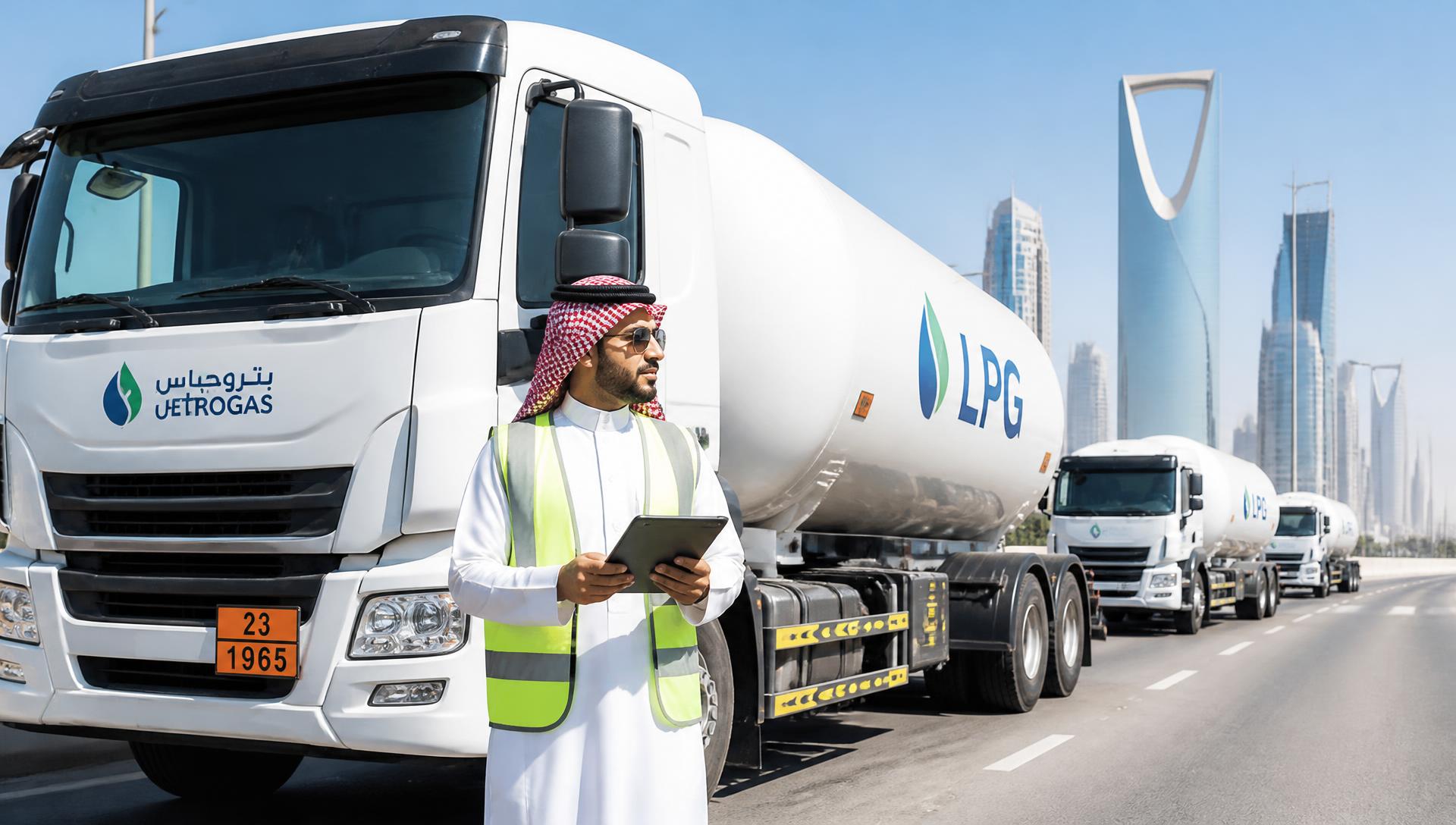
GASCO's transportation division (now its subsidiary JAL) guarantees the seamless and efficient delivery of materials, ensuring LPG and related products reach the businesses and individuals who depend on them.
Enabled by a modern fleet of trucks and tankers, the division transports liquified petroleum gas safely across Saudi Arabia, significantly enhancing the customer experience.
Transportation: Navigating efficiency, underpinning growth
167,251
Total trips in 2023
+19% vs 2022
81M+ km
Distance traveled
+23% year on year
1,295 tons
Gas transported
+5% growth
+5%
Transportation revenue
Boost in 2023
In 2023, the total number of trips reached an impressive 167,251, marking a significant 19% increase over 2022. GASCO's land transportation activities experienced a similar surge, with the total distance traveled surpassing 81 million kilometers, a remarkable 23% rise compared to the previous year. This expansion led to a 5% increase in the total quantity of gas transported, reaching 1,295 tons, and resulted in a corresponding 5% boost in transportation revenue. These achievements underscore GASCO's robust growth and enhanced operational efficiency in the transportation sector.
Digital-first ecosystem

The success of GASCO's transportation vertical is enabled by a digital ecosystem that serves as a model of digitalization through transformation, optimization, and automation. GASCO not only deployed advanced transportation management systems to manage LPG delivery from its suppliers to the plants but also established a digital-first approach to bulk gas fulfillment.
Delivery logistics requires transportation management, asset maintenance, mobile productivity, and health and safety management. This functionality is executed by a host of packaged and custom applications.
The transportation planning is performed in the backend ERP system, which constitutes vehicle scheduling and routing whose central goal is to minimize transportation costs through optimized shipment planning and replanning. Fleet managers use the Automated Vehicle Location system to monitor delivery status as well as to intervene in case of incidents.
Fleet preparations: Ready for the road ahead
The initiative successfully addressed a major challenge in fleet preparation inspections. Previously, the process was manual, time-consuming, and inefficient. Constant movement of technicians, truckers, and materials created significant inefficiencies. Additionally, a lack of tracking and visibility into vehicle status left stakeholders unclear about fleet readiness.
A modern application suite, consisting of five seamlessly integrated apps, has replaced the previous manual and paper-based procedures. These apps are integrated with the ERP system.
Five integrated apps
Features and benefits
Last mile leadership
In bulk gas fulfilment, LPG truck drivers are central to distribution. By providing the functionality used by the drivers in a mobile 'Driver App', drivers have been relieved from stress-inducing paperwork.
The app notifies drivers just-in-time and provides information about their multi-stop route plan. Self-service empowers drivers to focus on efficiency, safety, and customer relationship.